LinkedIn Instagram Facebook
CPD1002 - Overview of the BC Building Code for Residential Construction (Part 2)
$176

Time commitment:

7 hours (7, 1-hr Videos)

Delivery Method:

Online (Via E-Learning Platform)

BC Housing Competency Area:

Construction technology

CPD Points:

7

Course Image

What you'll learn

  • Key Areas of Division B, Part 9 for Residential Construction
  • Environmental Impact and BCBC Compliance
  • Building Accessibility and Universal Design Principles
  • Fire Safety and Fire Protection Systems in Residential Buildings
  • Sustainable and Green Building Practices in Residential Construction
  • Residential Renovations and Alterations under the BCBC
  • Zoning, Bylaws, and Regulatory Requirements in Residential Construction

Skills you'll gain

BCBC Compliance Residential Construction Design Energy Efficiency and Sustainability Accessibility and Universal Design Fire Safety and Protection Systems Green Building Practices Renovation and Alteration Techniques Zoning and Regulatory Compliance

Detail's to know

Shareable certificate Add to your LinkedIn profile
Recently updated! January 2025
Assessments
Taught in English

Earn a career certificate

Add this credential to your LinkedIn profile, resume, or CV. Share it on social media and in your performance review
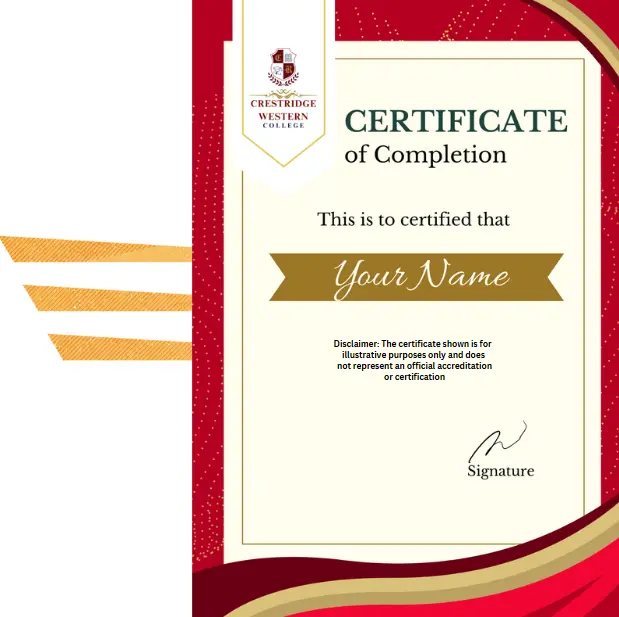
Career certificate image
Section 4: Key Areas of Division B, Part 9 for Residential Construction Course details
Section 4
Objective: Delve into Division B, Part 9 of the BC Building Code, which governs the design and construction of houses and small buildings.

Topics:
1. Structural Design (Footings, Foundations, and Framing):
  • Guidelines for proper foundation design, footing sizes, and soil-bearing capacity.
  • Structural framing: materials, methods, and code requirements for load-bearing walls, floors, and roofs.
2. Building Envelope:
  • How the BCBC regulates insulation, air barriers, and vapor barriers to ensure thermal performance.
  • Methods for controlling moisture and preventing leaks through proper flashing, cladding, and roof installation.
3. Energy Efficiency Requirements:
  • Understanding the thermal performance requirements for residential buildings.
  • How to calculate thermal transmittance (U-values) for walls, windows, and roofs.
  • Overview of renewable energy systems (solar panels, heat pumps) and their integration into residential projects.

Learning Outcome: Understand the critical requirements of Division B, Part 9 for residential construction and how to apply them to real-world projects.

Section 5: Environmental Impact and BCBC Compliance Course details
Section 5
Objective: Learn how the BCBC integrates environmental protection standards and how builders can comply with these regulations.

Topics:
1. Energy Efficiency and Sustainability:
  • How to design homes that exceed energy efficiency requirements under the BCBC.
  • Strategies for achieving Net Zero Energy homes.
2. Stormwater Management and Riparian Area Regulations:
  • Understanding the BCBC regulations regarding stormwater control, erosion prevention, and protecting riparian zones.
  • Design strategies for minimizing environmental impact during residential construction.
3. Building for Seismic and Climatic Resilience:
  • Overview of seismic and climatic design requirements (e.g., snow loads, wind loads) based on geographic zones.
  • How to reinforce buildings to withstand earthquakes and severe weather events.

Learning Outcome: Understand the environmental compliance requirements within the BCBC and how to integrate energy efficiency and sustainability into residential construction projects.

Section 6: Building Accessibility and Universal Design Course details
Section 6
Objective: Learn the principles of building accessibility and universal design in residential construction.

Topics:
1. Key Aspects of Accessibility and Universal Design:
  • Accessible entrances, door widths, hallways, bathrooms, kitchens, and workspaces.
  • Lighting and visual aids for accessibility.
2. Examples of Accessibility Features in Residential Construction:
  • Accessible single-family homes, apartment units, and senior housing.

Learning Outcome: Understand the essential principles and practical applications of accessibility in residential construction.

Section 7: Fire Safety and Fire Protection Systems in Residential Construction Course details
Section 7
Objective: Gain a comprehensive understanding of fire safety and protection systems in residential construction as per the BCBC.

Topics:
1. Key Fire Safety Requirements in the BCBC:
  • Fire-resistant materials, smoke alarms, carbon monoxide detectors.
  • Fire suppression systems, means of egress, escape routes.
  • Fire detection, alarm systems, fire separation, and compartmentalization.
2. Examples of Fire Safety in Residential Construction:
  • Multi-family apartments, townhouse complexes, single-family homes with fire safety features.

Learning Outcome: Understand fire safety regulations in residential construction and how to apply them effectively.

Section 8: Sustainable and Green Building Practices Course details
Section 8
Objective: Learn key sustainable building practices and green initiatives within the BCBC for residential construction.

Topics:
1. Key Sustainable Practices in the BCBC:
  • Energy efficiency, renewable energy, waste reduction, recycling.
  • Sustainable materials, water conservation, sustainable site design.
2. Examples of Sustainable Building Practices in Residential Construction:
  • LEED-certified homes, passive houses, sustainable townhouse developments.

Learning Outcome: Understand how to implement sustainable and green building practices in residential projects.

Section 9: Residential Renovations and Alterations Course details
Section 9
Objective: Explore considerations and examples of residential renovations and alterations under the BCBC.

Topics:
1. Key Considerations for Renovations and Alterations:
  • Bringing older homes up to code.
  • Structural, energy efficiency, fire safety, and accessibility upgrades.
  • Permitting and inspections.
2. Examples of Residential Renovations:
  • Energy-efficient home renovations, structural renovations for open-concept design, accessibility renovations for aging in place.

Learning Outcome: Understand how to approach residential renovations and upgrades to comply with the BCBC.

Section 10: Zoning, Bylaws, and Other Regulatory Requirements Course details
Section 10
Objective: Learn how zoning, bylaws, and other regulatory requirements interact with the BCBC in residential construction.

Topics:
1. Key Zoning and Regulatory Considerations:
  • Zoning laws, building height, setbacks, lot coverage, and density.
  • Building permits, inspections, heritage, and environmental restrictions.
2. Examples of Zoning and Regulatory Compliance:
  • Single-family homes in residential zones, multi-family developments in mixed-use zones, heritage home renovations.

Learning Outcome: Solidify understanding of the BCBC, enforcement processes, and critical aspects of residential construction compliance.

Recommendations

Course Image 1
Online Program

CPD1001 - Overview of the Building Code for Residential Construction (Part 1)

By Crestridge Western College | January 9, 2025

Time: 7 Hours

Learn More
Course Image 3
Online Program

Division B, Part 9 of the BC Building Code (Part 1)

By Crestridge Western College | January 9, 2025

Time: 7 Hours

Learn More
Course Image 4
Online Program

CPD1003 - Advanced Building Code Knowledge

By Crestridge Western College | January 9, 2025

Time: 7 Hours


Learn More

OUR TESTIMONIALS

What Our Past Students Say About Their Experience
Instrumental in Advancing My Career

"Crestridge Western College has been instrumental in advancing my knowledge and career. Their CPD program is top-notch and highly relevant to the needs of residential builders in BC. The flexible learning options made it easy to fit into my busy schedule."

John D., Residential Builder
Industry Expert Instructors

"The Instructors at Crestridge are industry experts who share practical, actionable insights. Completing the CPD program was one of the best decisions I’ve made for my career."

Emily R., Contractor

Do you want to enroll at our Academy? Get in touch!

Learn More
}